
6 Times It’s Always Sunny In Philadelphia Directly Mocked Its Own Audience
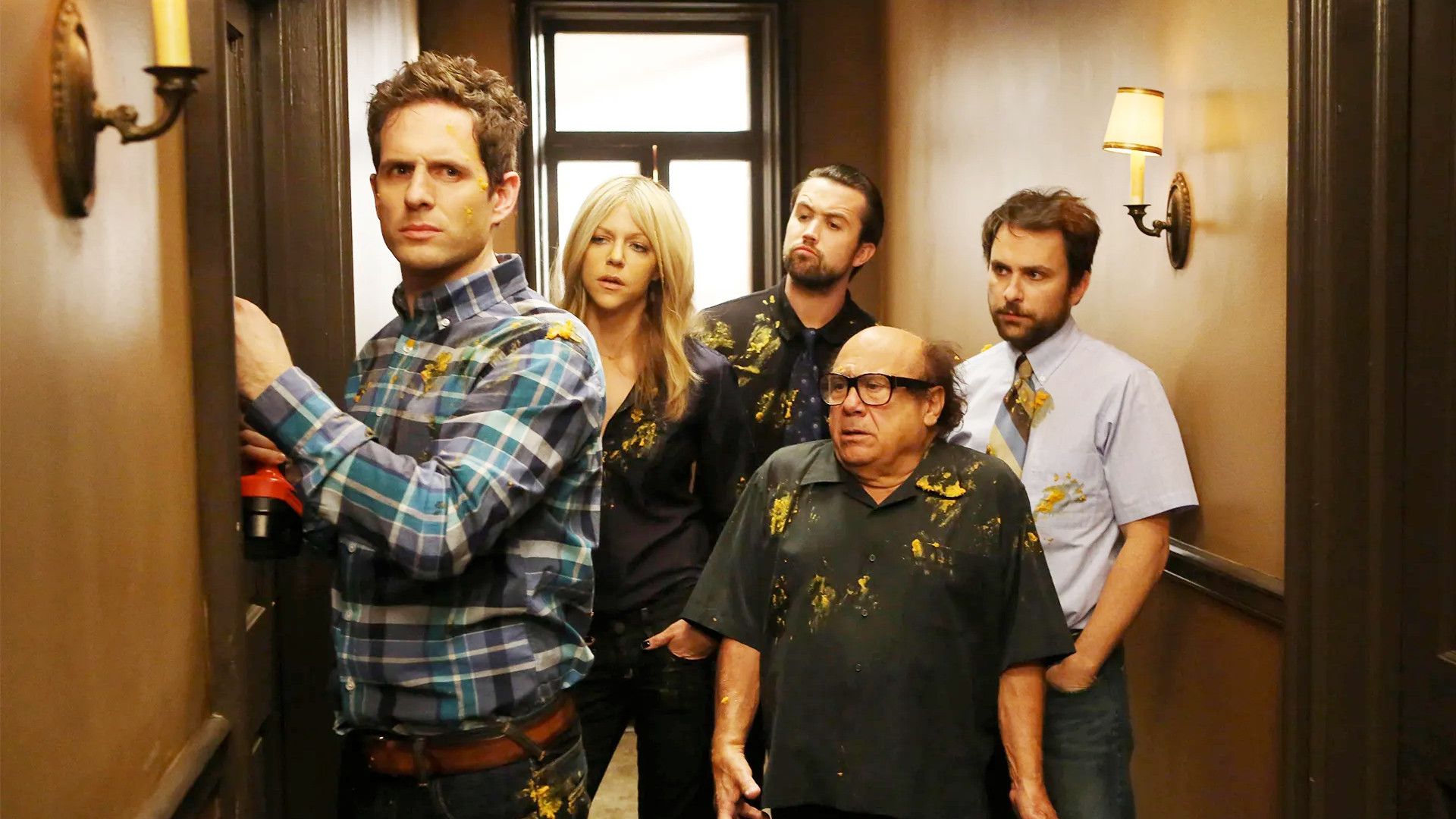
For a sitcom about five of the worst people ever to own a bar, It’s Always Sunny in Philadelphia has always been surprisingly aware of its audience. Most long-running comedies eventually start acknowledging viewer reactions, online criticism, and debates about the show’s direction in some subtle way. Sunny doesn’t. It builds entire episodes around real-world discourses and then mocks its audiences for engaging in them. Part of what has allowed It’s Always Sunny to remain fresh for nearly two decades is its willingness to engage with the conversations happening outside the show. Whether fans are complaining about character changes, speculating about cast departures, criticizing the humor, or wondering if the series has finally run its course, the writers have repeatedly found ways to fold those discussions into the narrative itself. The result is a collection of episodes that operate on two levels. Casual viewers can enjoy them as classic Sunny stories filled with absurd schemes and escalating chaos. Meanwhile, longtime viewers can spot the hidden commentary aimed directly at them and the broader discourse surrounding the series. Sometimes the show pokes fun at viewers for overanalyzing every development. Other times it takes aim at critics who never quite understood what made Sunny work in the first place. Either way, the Gang has never been shy about turning the spotlight back on the people watching them.
How It’s Always Sunny Can Continue Without Dennis
Mac makes a Dennis doll in It’s Always Sunny in Philadelphia.
When Glenn Howerton’s future on It’s Always Sunny in Philadelphia became uncertain after season 12, audiences immediately began debating whether the show could survive without Dennis Reynolds. The season finale, in which Dennis leaves to raise his son, seemed to position his departure as a potentially permanent change, leading to months of speculation about what the series would look like going forward. Season 13’s “The Gang Makes Paddy’s Great Again” wastes no time mocking those concerns. The Gang introduce a would-be replacement played by Mindy Kaling, who initially appears poised to become a permanent member of the group, along with a Dennis sex doll. The joke, of course, is that none of it matters. Dennis returns at the end of the episode and calmly explains that he’s back, everything will be basically the same, and there’s no need for his new replacement. The episode hilariously skewers viewers who spent months theorizing about dramatic changes when Sunny ultimately had no plan to reinvent itself.
Mac’s Physical Transformation
Rob Mac in It’s Always Sunny
Few sitcom character changes have generated as much attention as Rob McElhenney’s dramatic physical transformations throughout Sunny. After intentionally gaining weight for season 7, he later returned in astonishing shape, unveiling a muscular physique that became a major talking point before season 13 even premiered. In “The Gang Makes Paddy’s Great Again,” Mac repeatedly attempts to draw attention to his transformation, clearly expecting everyone around him to be amazed by the effort he put into changing his body. Instead, nobody seems particularly interested. The Gang largely ignores the change, treating it as insignificant despite the enormous amount of publicity surrounding it in the real world. Mac’s frustration further lampoons audience expectations, when he (and the others) question why he bothered doing it at all. After months of headlines and interviews about his new appearance, It’s Always Sunny essentially asks whether anyone should actually care that much in the first place.
The Gang Does A Clip Show
Frank, Dennis, and Mac parodying Seinfeld in the It’s Always Sunny in Philadelphia episode “The Gang Does a Clip Show.”
Clip shows have long been viewed as one of television’s laziest formats. By recycling footage from previous episodes, they often serve as little more than budget-saving exercises. When Sunny announced “The Gang Does a Clip Show,” many probably expected exactly that. The episode immediately weaponizes those expectations. The traditional trip down memory lane soon spirals into a bizarre exploration of false memories and alternate versions of past events. The Gang starts remembering scenes incorrectly, with familiar moments transforming into increasingly absurd variations. Before long, the episode becomes less about revisiting old footage and more about how people reconstruct and reinterpret the past. In doing so, It’s Always Sunny cleverly mocks audiences who expected a routine clip show while also poking fun at fandom itself. Viewers often remember beloved series differently from how they actually happened, and Sunny turns that tendency into the central joke.
The Gang Tries To Win An Award
Dee, mac and Dennis upset for not being the best bar in It’s Always Sunny in Philadelphia Award episode
Few It’s Always Sunny episodes are as openly self-referential as “The Gang Tries Desperately to Win an Award.” On the surface, it’s about the Gang becoming obsessed with winning a local bar award. Beneath that premise, however, lies one of the show’s most direct pieces of industry satire. At the time, It’s Always Sunny in Philadelphia had been on the air for years without receiving the kind of major awards recognition routinely given to other acclaimed sitcoms. The writers transformed that frustration into an episode that hilariously dissects how television awards often work. The Gang attempts to make Paddy’s Pub more appealing to voters by introducing elements commonly associated with award-winning shows. They add romantic tension, brighten the atmosphere, and even debate the music. Every change reflects criticisms and expectations often directed at television comedies. The episode simultaneously mocks awards culture and those who refuse to bestow the recognition Sunny has clearly earned.
The Worst Bar In Philadelphia
Dennis, Charlie and Mac in he bar in It’s Always Sunny in Philadelphia
“Paddy’s Pub: The Worst Bar in Philadelphia” might be one of the earliest examples of Sunny responding directly to criticism. The episode revolves around the Gang discovering a brutal newspaper review that labels their establishment the worst bar in the city.
Many of the complaints echo criticisms that had been leveled at the show itself. One particularly memorable joke references people claiming that the series is nothing more than characters shouting over each other. Audiences and critics had frequently used similar descriptions when discussing Sunny’s chaotic style. Rather than defending itself, it embraces the criticism and exaggerates it. The Gang becomes obsessed with changing their image, but every attempt only highlights why they’re so dysfunctional in the first place. By putting those complaints into the mouths of fictional critics, the writers effectively laugh at the discourse surrounding the series.
Will The Gang Ever Move On?
Frank and Charlie in a laser tag room in It’s Always Sunny in Philadelphia.
By season 14, It’s Always Sunny in Philadelphia had already become one of the longest-running live-action sitcoms in television history. Naturally, questions about the show’s future were becoming increasingly common. Fans frequently wondered whether the creators would eventually end the series or move on to other projects. “Waiting for Big Mo” addresses those concerns more directly than almost any other episode. The entire story functions as an extended metaphor for the show’s longevity. The Gang spends the episode waiting for their rival at the local laser-tag, while discussing whether it’s time for them to halt their childish routine. It mirrors conversations about whether Sunny and its cast should finally call it quits. The episode even references the temptation to pursue something new and more meaningful, something every cast member has at some point hinted they are considering. When it seems the Gang are ready to hang up their laser guns and call it a day, they return, scoffing at the idea they would ever change. Despite years of speculation, fake-outs, and suggestions that the end might be near, It’s Always Sunny In Philadelphia makes it clear that the Gang (and cast) isn’t ready to grow up yet.
Release Date
August 4, 2005
Showrunner
Rob Mac
Directors
Matt Shakman, Fred Savage, Todd Biermann, Daniel Attias, Richie Keen, Randall Einhorn, Heath Cullens, Pete Chatmon, Jerry Levine, Kat Coiro, Megan Ganz, Jamie Babbit, John Fortenberry, Maurice Marable, Kimberly McCullough, Imani Hakim, LP, Tim Roche
Writers
Scott Marder, Rob Rosell, Dave Chernin, John Chernin, Dannah Feinglass Phirman, Danielle Schneider, Conor Galvin, Becky Mann, Luvh Rakhe, Audra Sielaff, Eric Ledgin, Patrick Walsh, Lee Sung-jin, Mehar Sethi, Nina Pedrad, Keyonna Taylor, D. B. Weiss, David Benioff, Elijah Aron, Hunter Covington, Jordan Young, Adam Stein, Chris Romano, Eric Falconer
Charlie Day
Charlie Kelly
Glenn Howerton
Dennis Reynolds
Diterbitkan : 2026-07-12 12:30:00
sumber : screenrant.com