
My Linux laptop runs better now that I treat it like a server
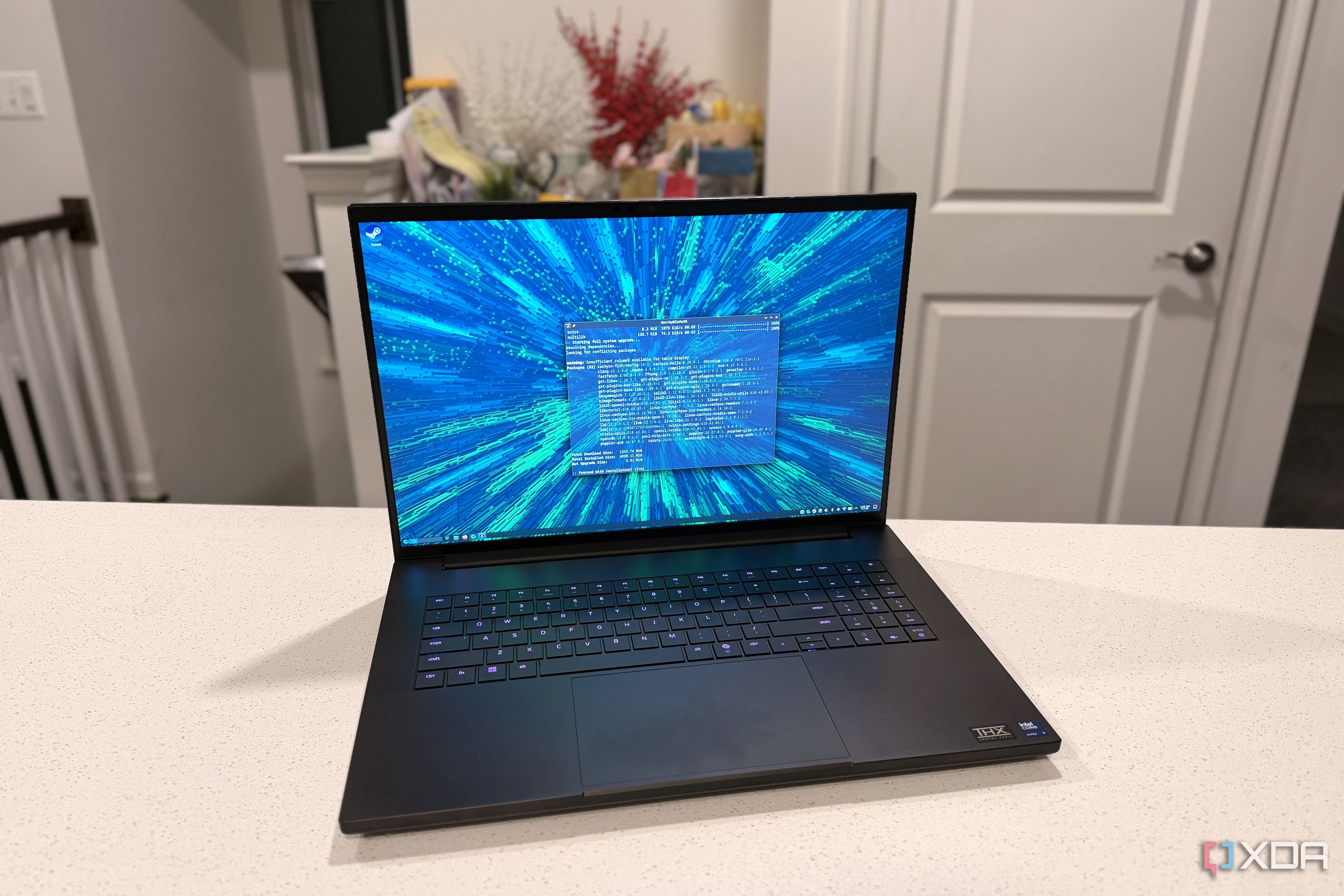
My home lab servers basically never break, and my laptop used to all the time. That’s bugged me for years because my servers are always on, run more varied software, and serve more users (okay, one user, but he’s very demanding). They also get far less attention day to day, but that was the very reason they survived. The difference wasn’t the hardware or the distro. It was that my Proxmox boxes were maintained on a schedule, and my laptop got updated whenever the notification icon annoyed me enough to click it. So a few months ago, I stopped treating them differently. My laptop is now just another host in the maintenance routine. Same update window, same snapshot-first policy, same backup discipline, same config-as-code approach I use for the rest of my hardware. It might sound like overkill for a machine that’s mostly running a browser or some games, but playing devops with my daily driver has been a revelation.
Related
I built my first home server for under $200, and it replaced 4 monthly subscriptions
An old, dormant system has the potential to replace subscriptions worth hundreds of dollars a year
Updates stopped being an event and became a routine
Setting a maintenance window is the key
Want to know the secret about server administration? Most of it is simply showing up on schedule. That’s also the secret to most of life, by the way, building a reliable routine to handle tasks so that you have bandwidth to spare when something really wrong happens. A predictable cadence for patching and reboots is the only way to ensure updates are applied, kernel patches are loaded, and problems surface when you choose. Most desktop and laptop users do the opposite. We update reactively, mid-task, and usually right before something important. I’ve lost count of how many meetings I was nearly late for because my laptop decided it wanted to do a major update and reboot, and I know I’m not alone in this. Now my laptop updates during the same Sunday afternoon timeframe that my servers do. Brew some coffee, do some snapshots, update, reboot, make sure everything is running like clockwork. If something breaks, it’s when I’m not scheduled to be in a meeting or chasing a deadline, and I have time to roll back to the previous snapshot without panic. Well, some panic, because a non-booting PC is always stressful, but at least it’s manageable.
Snapshot first, update second
Save the panicking for when something really wrong happens
If you implement nothing else, the most important lesson from maintaining servers is that you never touch a running system without a rollback path. On my Proxmox hosts, that’s a VM snapshot before anything gets upgraded. On the desktop, Btrfs gives you the same thing for nothing. It’s a copy-on-write filesystem, so creating a snapshot copies zero data and takes about a second. There’s no excuse for not taking a snapshot before every update. Since I’m running CachyOS on every daily, snap-pac automatically creates snapshots before and after any package installation, upgrade, or removal using pacman. And with Limine as the boot manager, snapshots appear in the boot menu automatically, so I don’t have to remember to install grub-btrfs and set things up. A broken update goes from “reinstall from my last system image” to “reboot, and select the last snapshot from the list.”
Related
How I use Btrfs snapshots to make my Linux system practically bulletproof
Say goodbye to the fear of system-breaking updates with this game-changing Linux feature.
Two-speed updates keep security at the fore
Security patches shouldn’t wait but the rest can
Here’s where blindly copying servers would go wrong, because good server practice isn’t “automate everything” — it’s two speeds. Security patches flow automatically the moment they land; feature updates, kernels, and anything with a driver in it wait for the maintenance window. The tooling for this is ancient and boring, which is exactly what you want. On Debian and Ubuntu, unattended-upgrades configured for security-only origins handles the first speed, and the standard production pattern includes a package block list — linux-image*, linux-headers*, and, in my case, anything with “nvidia” in the name — for things you’d rather upgrade deliberately with a snapshot underneath you. Fedora has dnf-automatic for the same split. Your browser’s libssl patch shouldn’t wait four days for your maintenance window. Your GPU driver absolutely should.
Related
I switched to immutable Linux after one broken update cost me an entire evening
The best update strategy I’ve found is just being allowed to undo it
Snapshots are not backups (and I know the difference)
The 3-2-1 rule doesn’t care about your Btrfs setup
This is the trap that every Timeshift or Snapper convert falls into, and that’s past me as well. A Btrfs snapshot lives on the same disk as the data it protects. It’s not a backup in the traditional sense, and if your disk dies, you lose your files and your snapshots. They’re a rollback tool, not a backup. Server thinking separates the two cleanly. Snapshots answer “how fast can I undo a bad change?” while real backups answer “how much data survives a dead SSD?” My desktop environment’s home directory now gets the same treatment as my VMs, versioned backups shipped to the NAS on a regular schedule. It’s not quite as often as my wife’s Mac using Time Machine, but it’s often enough that I don’t worry too much about losing hardware.
And borrow the one thing that makes backups worthwhile and not security theater. Test your backups once they run, because if they’re untested, they’re a hypothesis, not a reliable copy. I say this as someone who realized a months-old backup job had been silently failing because of a permissions error, and I had nothing to replace my data with. Now I restore a few files and a full directory tree every few months to prove that those backups are, in fact, still working.
Related
How to quickly set up and follow the 3-2-1 backup rule
It’s easy to keep all your data safe.
Sure, a laptop or desktop isn’t a server — but that’s not the point
The best desktop environment is a boring one
My Linux machines are either running Proxmox or they’re running CachyOS with bleeding-edge desktop software and the latest in hardware. My laptop and ROG Ally X are nothing like a server, and rebooting at 3 a.m. doesn’t matter if the device is asleep, and uptime isn’t a virtue I care about outside my home lab. But that is confusing the policy with the discipline. It’s the posture that matters. Scheduled update windows instead of reactive clicking, a rollback path before every change, backups that are actually tested, and configuration that lives in a git repo, not in your memory. The best thing about running your daily driver like a server is that the payoff is an absence. No update dread, no lost afternoons, no full reinstalls, and no wondering if things backed up. My laptop went from one of the flakiest machines in my house to just another appliance.
Diterbitkan : 2026-07-13 00:00:00
sumber : www.xda-developers.com