

Netflix’s 3-Part Sci-Fi Series Is As Close To Perfect As Remakes Get
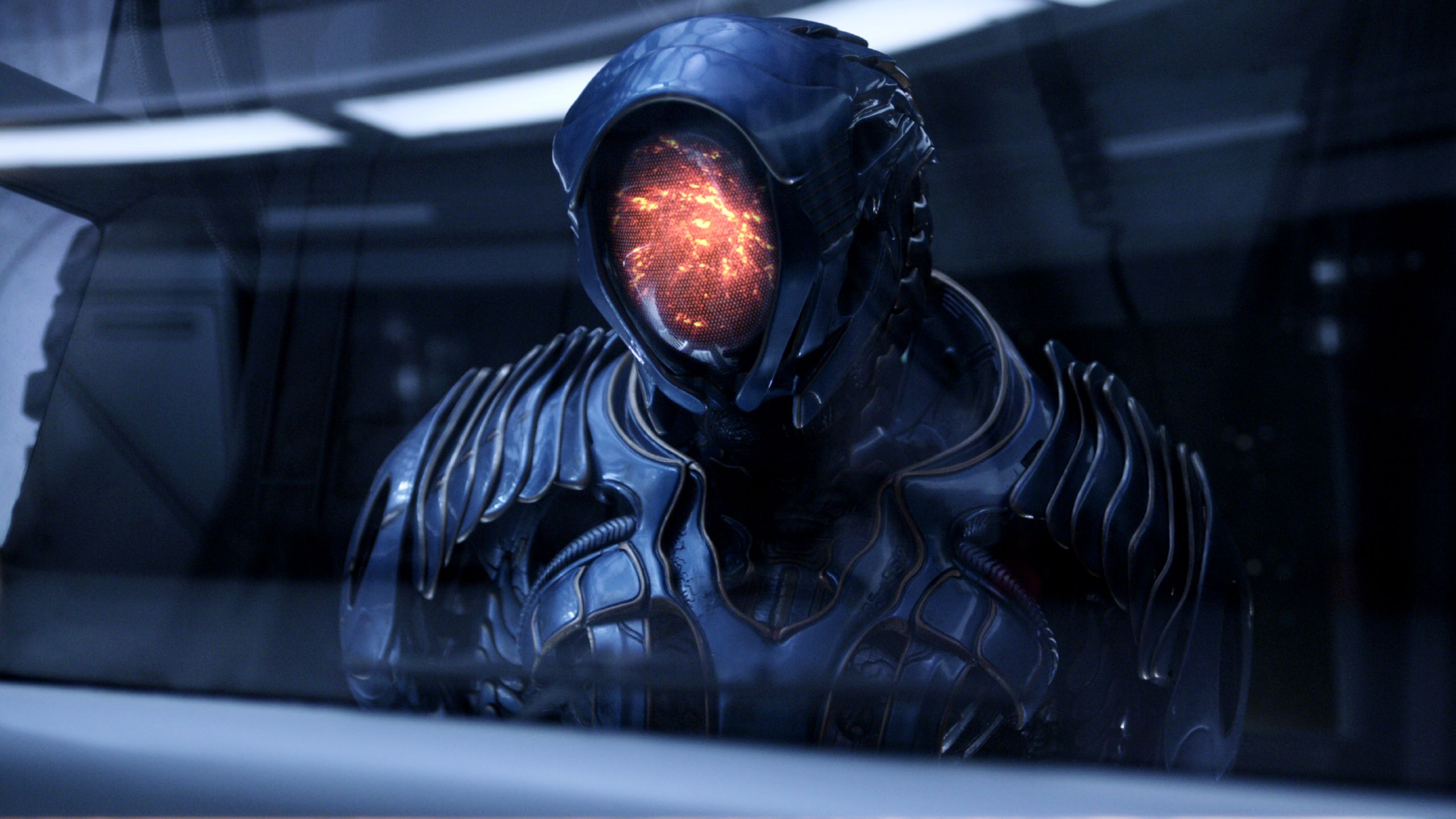
Netflix’s three-season science fiction series is one of the best examples of a modern remake in recent years. Science fiction has arguably never been more ubiquitous on the small screen than it is now, thanks to the massive influx of original sci-fi streaming hits and ambitious adaptations. Between stories like Silo, Foundation, The Expanse, Andor, Fallout, Severance, 3 Body Problem, and more, the genre is as influential as it’s ever been. Of course, the more sci-fi hits there are, the easier it is for critically acclaimed and genuinely compelling shows to get lost in this era of premium, abundant content. One of the most underrated modern science fiction streaming shows is Netflix’s three-season original, Lost in Space, a grounded yet warm remake of CBS’s classic 1965 show of the same name. The ’60s-era show was a loose adaptation of Swiss novelist Johann David Wyss’ 19th-century novel, The Swiss Family Robinson, in which a family of immigrants is shipwrecked on a tropical island on their way to Australia and forced to survive terrifying adventure after terrifying adventure. In Netflix’s Lost in Space, the Robinson family is stranded on an alien planet after being forced to evacuate from their mission base, as they struggle to survive harsh weather conditions, physical and psychological trauma, dangerous creatures, a manipulative villain, and an amnesiac extraterrestrial robot with a special connection to the Robinson family’s youngest member, Will. Not only is Netflix’s Lost in Space a great science fiction story on its own, but it’s one of the best examples of a modern remake, a show that honors what came before while creating something new and exciting for the current generation.
Netflix’s Lost In Space Modernized A Classic Sci-Fi Tale
Lost In Space still from the 2018 version featuring a robot.MovieStillsDB
The original CBS series, which was initially broadcast in black and white before transitioning to color, was an episodic, camp, and at times goofy affair, a family-friendly adventure compared to its more heightened, progressive competitor, Star Trek: The Original Series. The sets, costumes, and special effects were exactly what you’d expect from a show of that time, similar to Star Trek and even the BBC’s Doctor Who, a colorful if primitive effort that had its charms but wouldn’t necessarily hold up today. Even the show’s iconic villain, Jonathan Harris’ Dr. Zachary Smith, added more comedic value to the series than any true sense of danger, a foil to the good-natured Robinsons and their quest to make the most of their new circumstances. Still, the building blocks of a great story were all there, as the Robinson family combined their strengths to survive against all odds, celebrating human ingenuity, tenacity, bravery, and above all, love. Netflix’s Lost in Space remake built on that foundation, creating a compelling, serialized, character-driven, and most importantly, enjoyable sci-fi drama.
A Lost in Space movie remake was released in 1998. Unfortunately, it was a critical and commercial failure, despite the involvement of major Hollywood stars like Gary Oldman, William Hurt, and Matt LeBlanc.
The visual leap from CBS’s Lost in Space to Netflix’s remake is undeniable, similar to the difference between 1960s Star Trek and the franchise’s newer shows like Star Trek: Discovery, Strange New Worlds, and Starfleet Academy. The Robinson family’s reluctantly adopted world in season 1 feels tangible and real, and the dangers they face are genuinely terrifying. The design for Will’s Robot friend is unique, capable of switching seamlessly from friendly giant to sinister monster in seconds. Perhaps the biggest change Netflix’s show makes to the story is “Dr. Smith’s” role in the Robinson family’s saga, as Parker Posey’s performance turns the character from a funny, 60s-style comic book villain into a manipulative and shrewd criminal. Posey is incredible in the role, forcing the audience to feel both disgusted and intrigued every time she’s on-screen and terrified about what she’ll do to the good-natured Robinsons to get her way. Dr. Smith makes audiences root for the family, even when they act selfishly or rashly. They’re human, after all. That’s what makes them relatable.
Lost In Space Had A Better Run Than Most Streaming Sci-Fi Shows
Molly Parker and Maxwell Jenkins in Lost in Space
Science fiction is not a cheap genre to produce. Between the elaborate sets, location shoots, intricate costumes, and the thousands of required visual effects, science fiction shows (just like fantasy series) often find themselves on the chopping block. They generally need more viewers to justify their cost. Incredible stories like 1899, Archive 81, Altered Carbon, The OA, and The Expanse were all canceled due to low viewership and high budgets, leaving audiences with unresolved cliffhangers and little emotional payoff.
Luckily (and perhaps surprisingly), Lost in Space was given the time to complete its pre-planned three-season arc. It never skimped on its production value, either; the visual storytelling was just as important as the characters’ development, after all. As such, Lost in Space is not only a satisfying experience for first-time viewers but equally rewatchable. The family’s evolution is natural and earned, and each storyline has a conclusive resolution. There’s no better time to watch the Robinsons and their fellow colonists try to make their way to their new home.
All episodes of Lost in Space are available to stream now, only on Netflix.
Release Date
2018 – 2021-00-00
Network
Netflix
Showrunner
Burk Sharpless
Directors
Tim Southam, Alex Graves, Neil Marshall, Stephen Surjik, Jon East, David Nutter, Fred Toye, Leslie Hope, Vincenzo Natali, Alice Troughton, Deborah Chow, Jabbar Raisani
Writers
Matt Sazama, Burk Sharpless, Kari Drake, Katherine Collins, Vivian Lee, Zack Estrin, Ed McCardie, Daniel McLellan, Liz Sagal
Molly Parker
Maureen Robinson
Toby Stephens
John Robinson
Diterbitkan : 2026-07-11 23:30:00
sumber : screenrant.com