

10 Classic Movies You Wouldn’t Believe Have A PG Rating
The Motion Picture Association of America (MPAA) rating system provides content warnings to help parents determine if a film is appropriate for young ones. However, historical changes in the rating system as well as shifts in cultural attitudes have left various classic films with a surprisingly low PG rating. From 1934 to 1968, films were regulated by the Hays Code, which effectively banned any objectionable content across all motion pictures. Filmmakers spent years cleverly subverting the restrictive code before it was replaced by the MPAA rating system in 1968. This newfangled rating system allowed filmmakers to indulge in mature themes. The Classification and Ratings Administration (CARA) would then apply a recommended viewing age to films based on the content. The original MPAA ratings were G (general audiences), M (mature audiences), R (16+ without an adult), and X (17+ only). Eventually, the R age restriction was raised to 17, X was changed to M-17, and M was changed to PG (parental guidance). While today a PG rating denotes a kids’ movie, it initially indicated that a film contained mature material but was not age-restricted. In 1984, the MPAA added a PG-13 category to fill the void between PG and R. Due in part to the late addition of PG-13 and a change in the connotation of a PG rating, some classic films have been left with a shockingly low MPAA rating. Featuring violence, sex, and drugs, these movies stand in stark contrast to today’s tot-friendly PG flicks.
Back to the Future (1985)
Young Lorraine and Marty in Back to the Future
Back to the Future dodged the newly established PG-13 category in 1985, but it would certainly receive the higher rating today. The premise is innocent enough. High School student Marty McFly travels back in time to get his teenage parents together. However, the sci-fi blockbuster includes free-flying vulgarities and uncomfortable sexual references, pushing the film toward teen-movie territory. The characters continuously use a variety of choice words, ranging from “hell” to “b***h.” According to current MPAA guidelines, this alone should earn Back to the Future a PG-13 rating. Marty’s blast to the past also includes a few compromising sexual situations. He discovers that his dad was a Peeping Tom and his mom persistently comes onto him (not realizing he is her son). In a particularly adult scene, Marty’s teenage mom is sexually assaulted by the school bully.
Gremlins (1984)
gremlins villain stripe
Steven Spielberg’s 1984 Gremlins is partially credited with inciting the PG-13 rating. Produced by the E.T. director, the vulgarity in this Christmas horror-comedy shocked parents and led to a mountain of complaints. Also facing backlash from another graphic PG film, Spielberg called the MPAA president to request a rating between PG and R (via FilmRatings.com). While Gremlins inspired the PG-13 rating, the movie itself is still PG. Despite the soft rating, Gremlins is violent, macabre, and crude. The cleverly wicked flick indulges in absurdly graphic violence, including a Gremlin’s death by blender. This makes for an epic teen movie, but an inappropriate kids’ flick. The protagonist’s love interest also delivers an upsetting monologue about her father’s accidental death. The titular gremlins’ outrageous and illegal behavior alone violates today’s PG rating guidelines—as they drink, smoke, and gamble.
Jaws (1975)
The shark attacking Brody in Jaws
Jaws arrived before PG-13 existed and did not meet the criteria for an R rating. The thriller came with an enticing warning: “…may be too intense for younger children,” but remained PG. Spielberg’s killer-shark blockbuster has sufficient gore to justify a higher MPAA rating. According to today’s MPAA rating guide, PG movies generally feature mild violence with “no real details of lasting harm observed on-screen (i.e. no blood, visible wounds, characters dying onscreen).” In Jaws, blood splashes across the screen in gruesome attack sequences.The terror-inducing film could keep even adult viewers up at night. In one scene, a man spits blood while being eaten alive; in another, an eyeless severed head floats into frame. The deaths in this film are numerous and devastating, including the loss of children. It is strange to see this gory thriller with the same rating as most Pixar movies.
Ghostbusters (1984)
Sigourney Weaver and Rick Moranis in Ghostbusters
While audiences may remember Ghostbusters as a goofy family comedy, the iconic blockbuster includes surprisingly crude comedy and creepy visuals. While the horror aspect of the film could still realistically eke a PG rating, the persistent profanity and sexual innuendos would certainly justify a PG-13 rating today. In one scene, a possessed Sigourney Weaver straddles Bill Murray on a bed in an attempted seduction. In the most forward scene, a spirit opens Dan Aykroyd’s pants, and it is heavily insinuated that oral sex is performed. The titular group of ghost-catchers also maintain a steady stream of mild-to-moderate foul language throughout the film. While the 1989 Ghostbusters II is also PG, all three modern adaptations have received a PG-13 rating.
Indiana Jones and the Temple of Doom (1984)
Harrison Ford as Indiana Jones in Indiana Jones and the Temple of Doom
Indiana Jones and the Temple of Doom was Spielberg’s second film of 1984 to incite parental complaints over excessive gore. Temple of Doom and Gremlins share responsibility for forcing the PG-13 rating into existence. In 1981, Raiders of the Lost Ark already pushed its PG rating with a climactic Nazi face-melting scene. However, this gratuitous violence was not as pervasive throughout the film. 1984’s Temple of Doom features unsavory scenes throughout its runtime, making it the most graphic Indy adventure by far. The divisive sequel includes violence against humans and animals alike, resulting in a plethora of brutal fatalities. The extended heart-ripping-out sequence is commonly cited as the most disturbing scene of the bunch. Gore aside, Raiders of the Lost Ark also includes light nudity and profanity that toes the line of propriety for a PG feature.
Beetlejuice (1988)
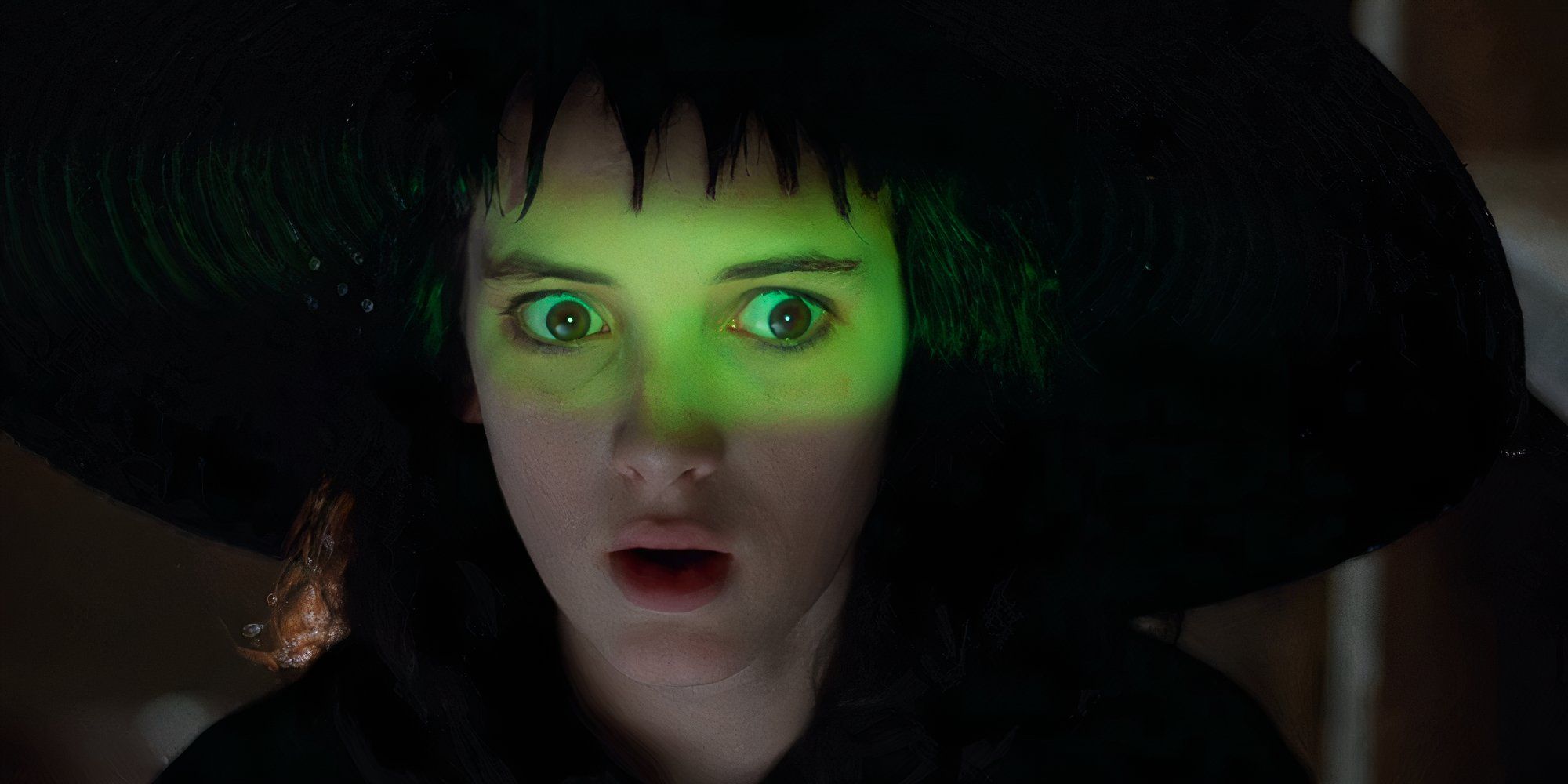
The Magician’s assistant is cut in half in Beetlejuice’s waiting room.
Tim Burton’s Beetlejuice would undoubtedly earn a PG-13 rating today. The gothic comedy includes genuinely unsettling imagery that may be unsuitable for younger viewers. A scene in which the protagonist-poltergeists rapidly decay due to a spell gone wrong is particularly disturbing. However, the film’s most mature content comes through the comedy more than the horror. Burton uses edgy comedy throughout his film, including a suicide joke early on. Unsurprisingly, the most crude language and conduct come from the titular “bio-exorcist.” In various scenes, Beetlejuice (Michael Keaton) makes a masturbation hand gesture, honks his crotch at a woman, and enters a strip club. By the end of the film, he tries to force a teenager (Winona Ryder) to marry him. The 2024 sequel, Beetlejuice Beetlejuice, received a PG-13 rating despite being notably tamer than its predecessor.
Airplane! (1980)
Leslie Nielsen and Robert Hays talking in the cockpit in Airplane!
Arriving four years before the PG-13 rating, this raucous comedy did not include the requisite level of explicit content to earn an R rating. Perhaps this is because the movie makes its most inappropriate jokes through innuendo. Still, it is shocking that the MPAA never overturned the PG rating for Airplane!. In the disaster-movie parody, a commercial flight is impeded by a pervasive bout of food poisoning that takes down everyone but a pilot with a drinking problem and his stewardess ex-girlfriend, who must unite to land the plane. The raunchy comedy includes drug use, cursing, full-frontal nudity, and off-color sexual references. In one infamous gag, a woman is seen in bed with a horse, making a disturbing implication. While most of the film’s innuendos would go over kids’ heads, Airplane! is clearly a teen-to-adult feature.
Grease (1978)
John Travolta and Olivia Newton-John in Grease (1978)
Despite its campy visuals and upbeat tunes, Grease is first and foremost a teen movie. The PG musical includes a teen pregnancy scare, suggestive lyrics, and underage drinking and smoking.
By today’s standards, the depictions of illegal drinking and smoking alone would push this musical into at least PG-13 territory. Grease gets away with much of its mature content simply because the twenty-to-thirty-year-old actors bear little resemblance to actual teenagers. The hormone-fueled film includes some lusty language that would not fly in PG films today. The musical lyrics, particularly in “Grease Lightning,” and “Summer Nights,” range from highly suggestive to explicitly profane. The poppy excitement of this musical may distract young viewers while mature content flies over their heads, but the movie appears best suited for slightly older viewers.
Top Gun (1986)
Tom Cruise and Kelly McGillis embrace in Top Gun
Arriving two years after the invention of PG-13, Top Gun still got away with a PG rating in the 1980s. Today, the film’s violence, language, and sex scene would certainly earn it the higher rating. Set in the U.S. Navy training program, Top Gun is built around sequences of high-action military might. This action leads to violence, and a beloved central character’s tragic death among the fray. The Navy trainees are also reliably rowdy and profane. The characters drink, have sex, and use swears and hand gestures that would be shocking even in a PG-13 feature. The 2022 Top Gun: Maverick got the PG-13 treatment for “sequences of intense action, and some strong language.” However, the sequel is arguably tamer than the original. The action and debauchery of Top Gun is not intended for young eyes, despite what its MPAA rating suggests.
The Graduate (1967)
Benjamin and Mrs. Robinson in bed together in The Graduate
The Graduate arrived at the tail end of the Hays Code, just before the introduction of the motion picture rating system. As such, it slid past traditional Hollywood moral standards. The story follows a 21-year-old college graduate (Dustin Hoffman) who becomes entangled in a scandalous affair with an older woman (Anne Bancroft), complicated by his growing feelings for the woman’s daughter. The MPAA retroactively applied an M rating to The Graduate, denoting it had mature subject matter. Later, the M rating became PG across the film industry. As such, this salacious piece of cinema was left with a PG rating, which is now associated with family-friendly movies. While The Graduate is wildly inappropriate for younger viewers, it is also likely to be uninteresting to younger audiences. Despite its drinking, smoking, and sexual themes, the film is more philosophical than action-packed.
Diterbitkan : 2026-07-11 20:30:00
sumber : screenrant.com