
18 Years Later, Emma Stone’s Legally Blonde Replacement Has Aged Like Fine Wine
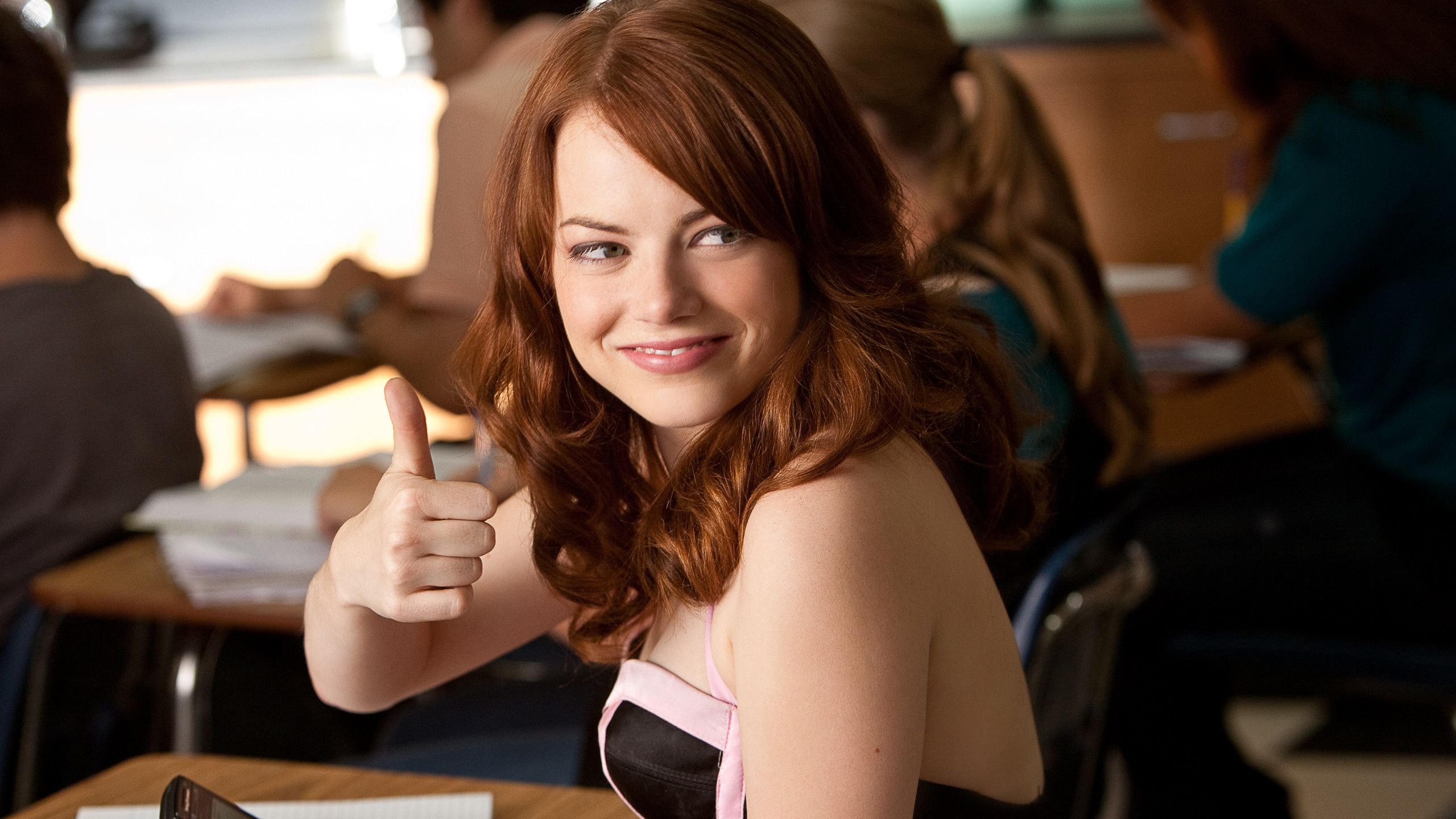
Legally Blonde was a huge success in 2001. Making $142 million at the box office on an $18 million budget, its inversion of the “dumb blonde” stereotype took Reese Witherspoon into the more adult phase of her acting career. The film’s message that femininity and competence can go hand in manicured hand is more relevant than ever today. Legally Blonde’s witty script came from the writing team Karen McCullah and Kirsten Smith, who had previously penned the ‘90s teen rom-com Shakespeare adaptation 10 Things I Hate About You. After adapting Ella Enchanted (2004) and She’s the Man (2006), McCullah and Smith wrote an original comedy that tackled all the same stereotypes as Legally Blonde, yet has been far less embraced in pop culture. The House Bunny (2008) was marketed on Anna Faris’ charm as a Playboy Bunny who becomes the housemother for Zeta, the least popular sorority at a university. The House Bunny did well enough commercially, earning $70 million on a budget of $25 million, but critics found the comedy a little formulaic. However, dismissing The House Bunny as “the Playboy Bunny movie” misses the point entirely. Its earnest themes about self-worth and confidence have aged incredibly well. It features Emma Stone in one of her most underrated movies as Natalie Sandler, the dorky sorority president, just one year after her film debut in Superbad. In the years since its release, The House Bunny has become a cult classic — one that deserves to be just as embraced as Legally Blonde.
The House Bunny’s Themes Are More Relevant Than Ever
Much like Legally Blonde, The House Bunny challenges the assumption that femininity and intelligence are somehow incompatible. Shelley Darlington, a former Playboy Bunny played by Anna Faris in one of her most fun roles, loves fashion, makeup, and beauty, but the movie never suggests those interests make her shallow or incapable. Instead, it argues that confidence comes from embracing who you are rather than trying to fit someone else’s expectations. Presentation matters, but authenticity matters more. That message feels even more relevant today. While The House Bunny was dismissed as another broad studio comedy in 2008, it approaches its characters with surprising empathy. Faris plays Shelley with genuine warmth and emotional intelligence, making her far more than a stereotypical “dumb blonde.” Shelley instinctively understands how to encourage people, helping the Zeta girls build confidence by recognizing qualities they struggle to see in themselves. Likewise, the Zetas inspire Shelley to see herself as more than her looks without asking her to reject what she loves. She doesn’t learn that fashion and makeup are frivolous; she learns that they are only part of who she is. By the end of the movie, both Shelley and the Zetas meet somewhere in the middle, with everyone becoming more authentic rather than more performative. That is a remarkably balanced message for mainstream 2000s studio comedy movies, a period when female-led comedies were often dismissed as lightweight or superficial. Looking back 18 years later, The House Bunny feels far more thoughtful than its marketing suggested, which helps explain why its reputation has steadily grown into that of a cult favorite.
The House Bunny Has A Surprisingly Stacked Cast
The House Bunny has also become even more enjoyable as a showcase for an unexpectedly stacked cast. Anna Faris is the glue that holds everything together. Much like Legally Blonde depends on Reese Witherspoon’s endlessly optimistic portrayal of Elle Woods, The House Bunny succeeds because Faris gives Shelley an irresistible warmth and sincerity. The supporting cast is equally impressive. Fresh off Superbad, Emma Stone leans into the lovable awkwardness that would become one of her trademarks as Natalie, the enthusiastic but hopelessly uncool president of the Zetas. Watching her makeover montage now almost feels like a preview of the confidence she would later bring to 2010’s teen rom-com Easy A.
Before Kat Dennings starred in 2 Broke Girls and the Marvel Cinematic Universe, she was nearly unrecognizable as Mona, the goth The Girl with the Dragon Tattoo-styled Zeta sister. Katharine McPhee appears as the pregnant Harmony, while Rumer Willis plays Joanne, whose physical brace becomes a clever metaphor for the emotional confidence she gains throughout the movie.
The House Bunny Character & Cast
Character
Description
Actor
Best Known Movies & TV Shows
Shelley Darlingson
Image via MovieStillsDB
Former Playboy Bunny, now Zeta housemother
Anna Faris
Scary Movie, Mom
Natalie Sandler
Image via MovieStillsDB
Nerdy but enthusiastic Zeta president
Emma Stone
La La Land, Poor Things, Easy A
Mona Rita
Image via MovieStillsDB
Sarcastic, goth Zeta sister
Kat Dennings
2 Broke Girls, WandaVision, Thor, Nick and Norah’s Infinite Playlist
Harmony Bowels
Pregnant, hippie Zeta sister
Katharine McPhee
Smash
Joanne Davis
Image via MovieStillsDB
Zeta sister in a body brace
Rumor Willis
Wild Cherry, Hostage, Sorority Row
Dean Simmons
christopher mcdonald in mcu secret invasion
University Dean
Christopher McDonald
Happy Gilmore, Hacks
Oliver Hauser
Image via Everett Collection
Shelley’s love interest
Colin Hanks
Fargo, King Kong
Colby Emmett
Image via Everett Collection
Natalie’s love interest
Tyson Ritter
The All-American Rejects
Hugh Hefner
Self
Hugh Hefner
Founder of Playboy
Shaquille O’Neal
An image of Shaquille O’Neal
Self
Shaquille O’Neal
Former NBA player
Outside the sorority house, the supporting players are just as memorable. Tyson Ritter, lead singer of The All-American Rejects, plays Natalie’s love interest, while Colin Hanks serves as Shelley’s romantic counterpart. Hugh Hefner appears as himself, definitely in on the joke, as does Shaquille O’Neal, who lifts Shelley up to blow out the candles on her comically tall birthday cake. Together, the ensemble has aged almost as well as the movie itself, turning The House Bunny into an unexpectedly fascinating snapshot of late-2000s pop culture. Between its surprisingly enduring message and its future-star-filled ensemble, The House Bunny has only become easier to appreciate with time.
Release Date
August 22, 2008
Runtime
98 minutes
Director
Fred Wolf
Writers
Karen McCullah Lutz, Kirsten Smith
Diterbitkan : 2026-07-11 15:00:00
sumber : screenrant.com