
I ditched Google Search for AI for a week, and ChatGPT wasn’t even close to the winner
I’ve been searching the internet since before Google existed, but most of those search engines are gone, and as a result, I have decades of muscle memory for using Google Search. Ctrl-T to open a new tab, type a few keywords, then scan the top results. It’s a reflex action at this point, but let’s face it: the results it’s producing haven’t been getting better lately. Between ads, more ads, AI summaries, and the last vestiges of SEO sludge, the answers I need are often on the second page of results. So I banned myself from using Google for a week and installed a host of other options to test out. ChatGPT, Claude with research mode, Perplexity, and because I can’t leave my home lab out of the fun, SearXNG. I thought ChatGPT would take the crown because, as the default AI tool for most of the planet, it must be doing something right, but I was wrong. The week produced two winners, plus a self-hosted safety net that I’m keeping as well, and none of them came from OpenAI.
Related
I’m de-Googling my life, and here’s how I’m starting
If you want to remove Google from your life, this is the best place to learn about privacy-focused alternatives.
A week without Google was more difficult than I expected
And I expected it would be annoying
I tried my best to remove Google Search from my devices and browsers, whether by swapping the default search engine or using the app for individual services where possible. Quick lookups, shopping, article research, troubleshooting — anything I’d normally type into Google was sent to multiple other search providers. I was mostly successful, except for a couple of times when Safari on my iPhone pulled Google results. There was one Google feature that I couldn’t find a satisfactory replacement for. I use site:xda-developers.com (search terms) all the time. It’s the best way to find related articles for interlinking and to see what other writers have said, so we don’t retread the same coverage if possible. It doesn’t work properly in any of the AI search tools. So, it became my one concession. I’d use AI search for every other query, and use the one thing I know works for searching for our own site.
ChatGPT likes to editorialize
I want answers to my question, not the question I didn’t ask
ChatGPT’s search results are much improved over the hallucinations it used to produce, with citations that are real and mostly accurate. It’s also decent at “explain it to me” queries, or “show me how to install this.” But it still insists on giving me more information than I ask for, and that’s not what I want for quick searches. Asking for a quick fact check gives me four paragraphs of essay, a bulleted list, and an offer for even more information. I don’t need that much context when I’m trying to find a package name or which flags to use in a CLI command. Nobody does, and that’s only the start of the problem. Sourcing feels like something added after the fact, once the chatbot has already decided what the paragraphs will contain. The model’s summary is the result, not the information from the web search, and using it for research feels wrong. I’m still keeping the “teach me something” queries because those give me an overview so I can decide what else to search in another tool, but that’s all.
Related
Watch out, NotebookLM — ChatGPT’s new “study mode” could steal your thunder
Looks like I found my newest study buddy.
Perplexity is the Google that Google wishes it built
It’s fast, gives me cited sources and doesn’t try to advertise to me
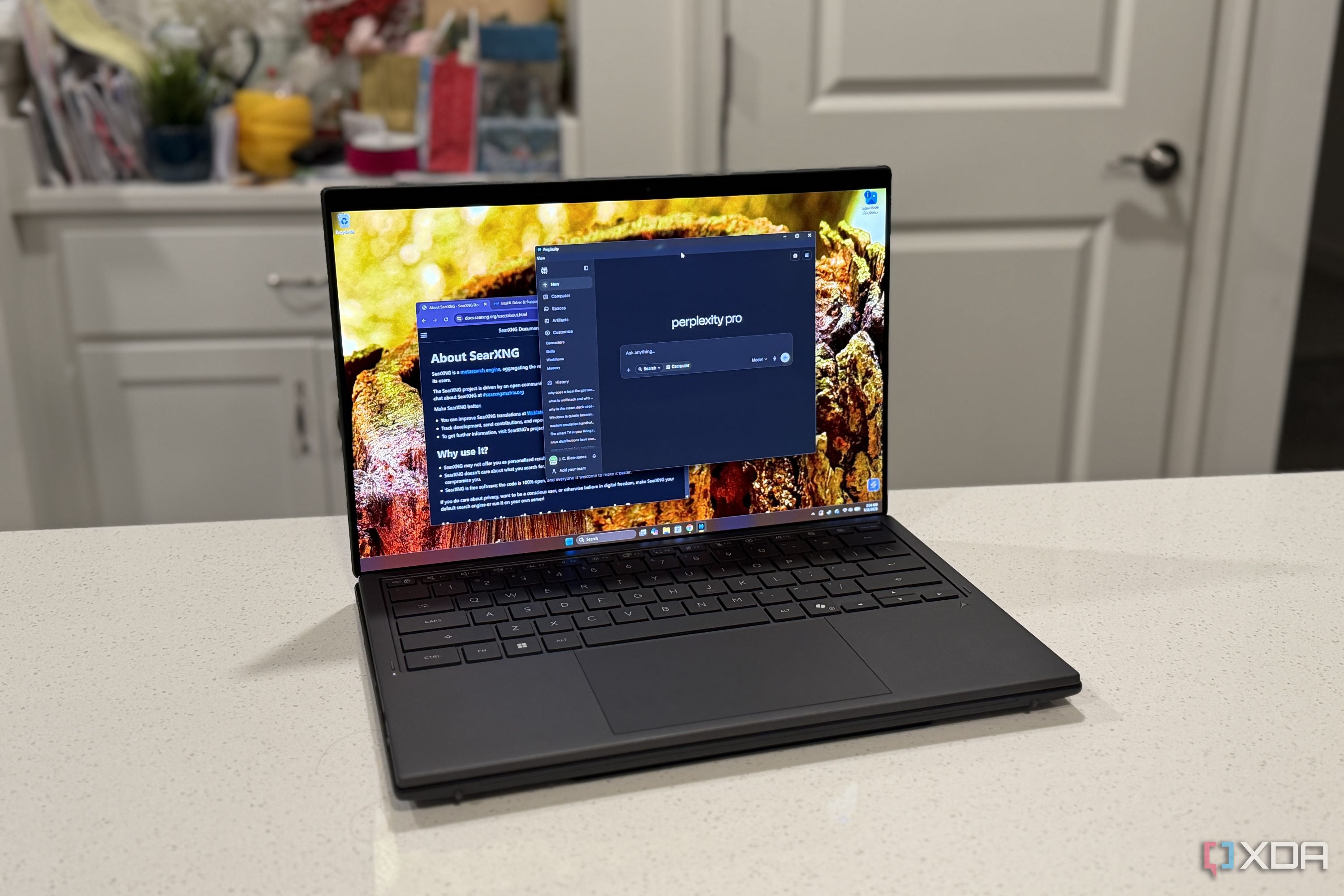
One of the biggest things I use Google for is the two-second lookup. You know, the ones that fall into “what time does that restaurant close?” or “which days are the local library open?” I want these results fast, and I don’t want to read a ton of other information to find the answer. Perplexity wins this by a country mile, beating every other search engine with cited sources, so I can see how trustworthy the results were. The follow-up suggestions are always relevant, even if I don’t always use them. It’s a search engine that learned to summarize, not a chatbot with access to search, and that’s an important distinction. When Perplexity tells me there was a driver issue with a specific piece of hardware, I can click the citation to view the relevant forum post. That’s the workflow that Google used to give me a decade ago, before it put sponsored results, listicles, and SEO bait at the top of the page. Perplexity is now my default search engine, and I only go elsewhere if I need different types of results.
Claude is where I go for deeper research
Research mode with the right model is a standout feature
A large chunk of my “googling” isn’t really searching at all; it’s the part that comes next. Juggling a dozen tabs with spec sheets, product pages, GitHub threads, the goldmine that is angry Reddit comments, and the like. Claude’s research mode is agentic and awesome. I still prefer Perplexity because I can see the sources more easily, but Claude keeps previous searches in memory so future ones get more context. I’d hand it something like “compare the current state of these two inference backends, with sources,” walk off to make coffee, and come back to a structured rundown with links to everything it read. It chases down follow-up questions on its own, cross-references claims across sources, and flags where sources disagree rather than papering over the conflict. That’s the most interesting information from any search, and now I don’t have to read 10 pages of GitHub comments to surface it. It’s not a Google replacement, but it’s not supposed to be. It’s for deep, structured research that gives me connections that used to take hours of reading to find, and sometimes not at all. You still can’t blindly trust that it read the sources correctly, but finding the relevant passages is much, much easier.
Related
One week with Claude Code automating my desktop taught me more about my own workflow than years of optimization
My personal PC is as messy as my office
SearXNG is my fallback plan
Old-school lists of links hosted on my hardware and without tracking
No matter how well you structure your prompt or how well tuned for search the underlying model is, sometimes you need an old-school approach. Shopping, local results, exact names of PDFs or product manuals; these are all things I need a list of results to browse, not a condensed answer. SearXNG is my go-to in that case, a locally hosted metasearch engine that sends my queries to a bunch of upstream engines, strips tracking, and gives me a nice list without building a fingerprint of my browsing history.
Mine runs in my home lab, both as a Docker container for normal search and as an MCP server to give my local LLM access to up-to-date information. Along with everything else that I don’t want the cloud to handle, behind a reverse proxy that enables SearXNG access from everywhere I go. It’s not exactly an AI search tool on its own, but the MCP server lets my Qwen models browse the internet, so it’s earned a permanent place in the stack.
Related
This is my favorite MCP server to use with my local LLM
Adding search capabilities your local LLM will make it significantly better.
Google is losing the AI search race
ChatGPT might have lost out to Perplexity in my AI search testing, but really, Google is the big loser in the mix. The company that defined search in the 90s turned into a verb, then lost its way, and almost every alternative is better. Yes, even Bing. Perplexity is now my default search engine everywhere, unless I need summaries, in which case it’s time for Claude to shine. Once search stopped being a list of blue links, Google’s “jack of all trades” method has become the second half of that saying, and it’s now a master of none.
Diterbitkan : 2026-07-12 17:00:00
sumber : www.xda-developers.com